

Our blog this season is written by Lee Tracey, Acupuncturist at Elaine Barry Physio
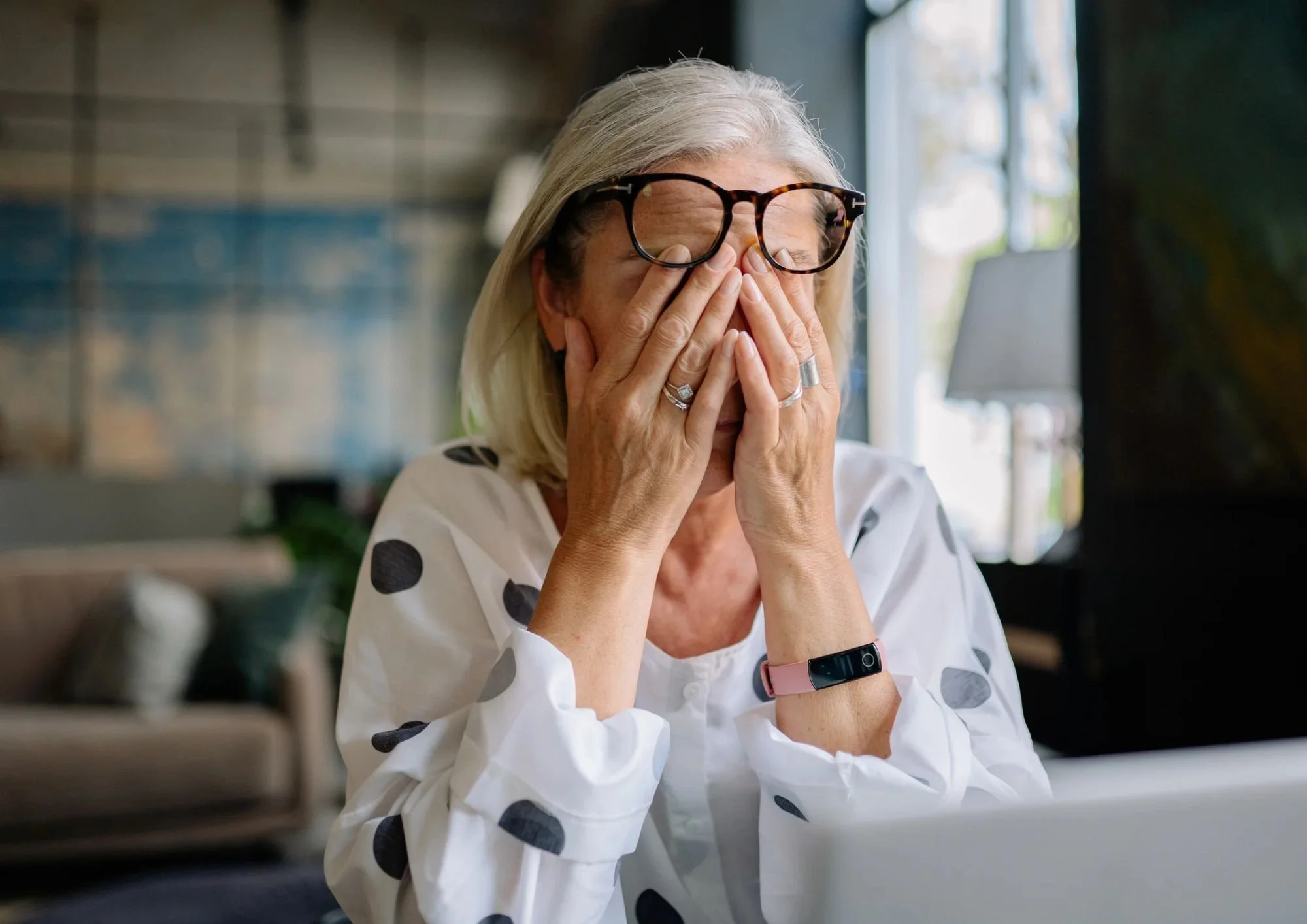
From perimenopause to fertility treatment and everything in between: navigating women's health through the silly season.
It's the most wonderful time of the year….Apparently!
The Christmas lights are twinkling, the festive music is playing, and somewhere, someone is already asking who's hosting Christmas dinner.
Meanwhile, there's the shopping, the wrapping, the Christmas parties, the family arrangements and the seemingly endless list of things that need to be organised before December 25th.
Sound familiar?
If Christmas sometimes feels less like a holiday and more like a second full-time job, it turns out you're not imagining things. And there's some interesting research to back that up.
All is calm… but who's doing all the work?
According to a 2025 YouGov survey, 46% of women said they did all the household Christmas present shopping, compared with just 14% of men. Women were also considerably more likely to take responsibility for the Christmas food shopping, decorating and cooking.
So while Santa may get the credit, it seems Mrs Claus might be running the entire operation.
But perhaps the most interesting part isn't the work we can see. It's everything going on behind the scenes.
Researchers call this cognitive labour - the invisible mental work involved in planning, remembering and organising. It's not just buying the presents; it's remembering who needs one, what they'd like, where to find it and making sure it arrives before Christmas Eve.
Whether you're juggling work, family commitments, caring responsibilities or your own health challenges, December can bring its own particular brand of overwhelm.
And here's where things get interesting from a women's health perspective.
Because while Christmas adds to our workload, our hormones don't exactly take the month off.
Perimenopause meets the silly season…
If you've found yourself waking at 3am with a racing mind, feeling unusually anxious, struggling to concentrate or becoming disproportionately irritated by someone chewing too loudly, you might be tempted to blame the Christmas madness.
But there could be something else going on.
During perimenopause, fluctuating oestrogen and progesterone levels can affect sleep, mood and temperature regulation. Anxiety is also a less recognised symptom, sometimes appearing for the first time during this transition, even without the hot flushes we traditionally associate with menopause.
Now add disrupted routines, late nights, extra alcohol and the mental load of Christmas, and it's easy to see why December might feel particularly challenging.
A little festive advice: Protect your sleep where possible, keep moving your body and be mindful of how alcohol affects your sleep and symptoms. And if anxiety, night sweats or other symptoms are affecting your quality of life, don't simply dismiss them as stress. Acupuncture is great to support women navigating perimenopause, particularly when sleep disturbances, anxiety, menstrual cycle irregularities and other symptoms are affecting their day-to-day wellbeing so please remember there is support and effective treatment options available.
When Christmas comes with difficult questions…
For women and couples navigating fertility challenges, Christmas can bring a very different kind of emotional pressure.
Family gatherings and well-meaning questions about when you're going to have a baby can make an already difficult journey feel even harder.
For those undergoing IVF, there's also the added challenge of balancing appointments, medication and uncertainty with the usual festive commitments.
A little festive advice: Give yourself permission to set boundaries. You don't owe anyone an update on your family plans and you certainly don't need to feel positive all the time. Supporting your emotional wellbeing matters because you matter, not because you need to achieve a perfect state of relaxation to conceive.
And then there's your menstrual cycle…
Even if you're not navigating perimenopause or fertility treatment, your menstrual cycle might have something to say about how you're feeling this Christmas.
Throughout the cycle, oestrogen and progesterone fluctuate, influencing mood, sleep and energy.
Interestingly, women who experience premenstrual syndrome (PMS) don't necessarily have abnormal hormone levels. Research suggests some women are simply more sensitive to the normal hormonal changes occurring throughout their cycle.
So if one week you're happily managing a hundred things and the next you're close to tears because someone has eaten the last mince pie, your cycle might be playing a part.
Although, sometimes someone really has eaten the last mince pie.
A little festive advice: If you track your cycle, consider where you might be during the busiest weeks of December and plan accordingly. Understanding your own patterns can help you plan around symptoms, maybe saying no to that outing that feels obligatory and feeling like you have to constantly pushing through. And if symptoms are significantly affecting your daily life, they're worth investigating.
Perhaps the greatest gift is a little less pressure…
An American Psychological Association survey found that 30% of adults identified the pressure to make the holidays feel special as a source of stress.
Which raises an interesting question: when did Christmas become something we have to perfect?
Between the presents, the dinner and the expectation that everyone should be having the most wonderful time of the year, it's easy to forget that we're allowed to enjoy it on our own terms.
So perhaps this Christmas, instead of adding another thing to your to-do list, consider taking something off it.
Maybe that's declining an invitation, getting an earlier night, asking someone else to organise dinner or making time to look after your own health.
And if the Christmas dinner isn't perfect, the presents aren't beautifully wrapped or someone forgets the cranberry sauce?
I suspect Christmas will survive.
Wishing you a wonderful Christmas, with a little more calm and a lot less pressure.
Lee x
Women's Health Acupuncture in Bray
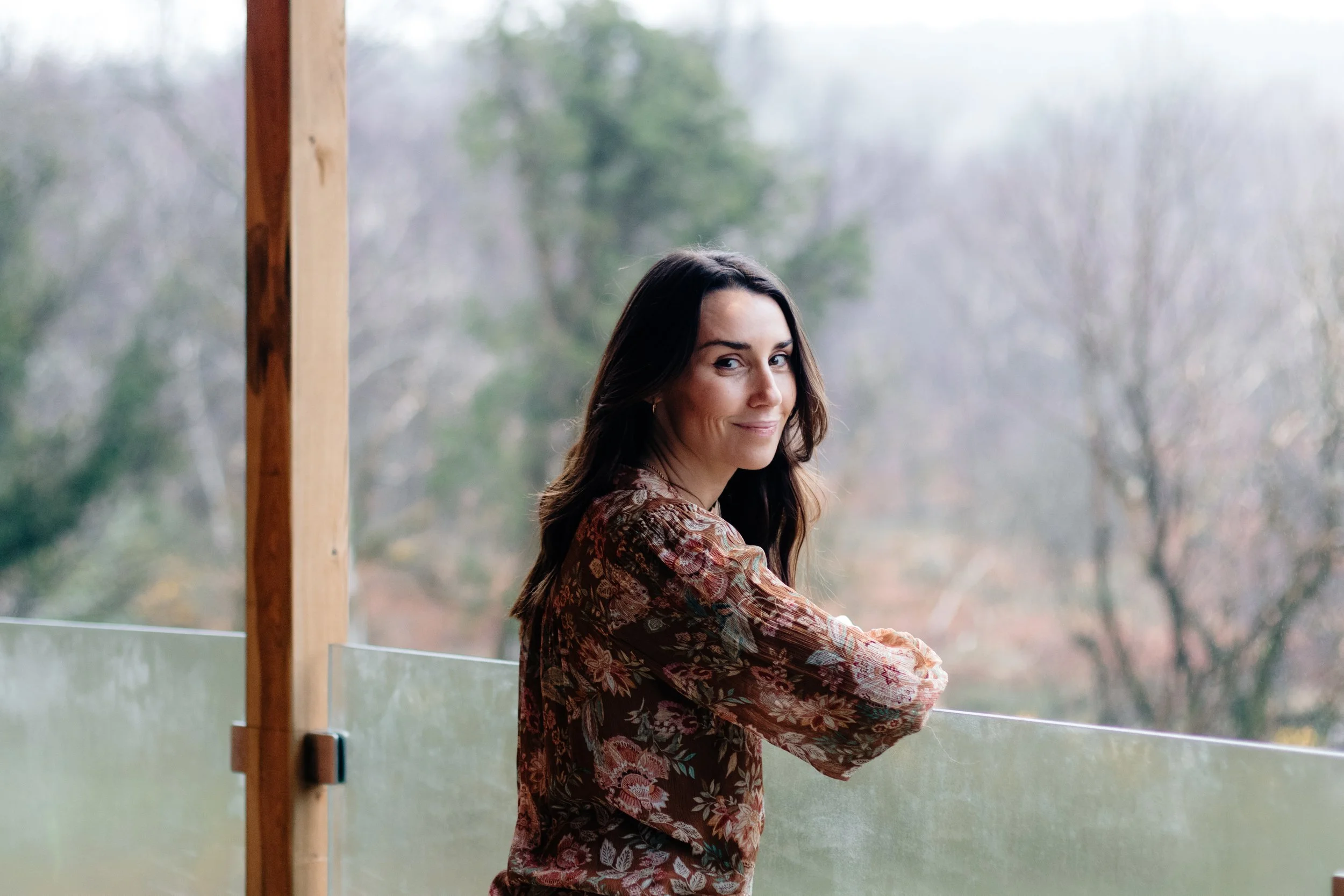
I'm Lee Tracey, a qualified and licensed acupuncturist and sexual health educator with specialist training in obstetrics and gynaecology, supporting women through perimenopause, fertility, IVF and menstrual health.
If you'd like to explore how acupuncture might complement your own women's health journey, you can find me in the clinic in Bray.
Book a consultation and acupuncture appointment at www.leetracey.ie/book.
